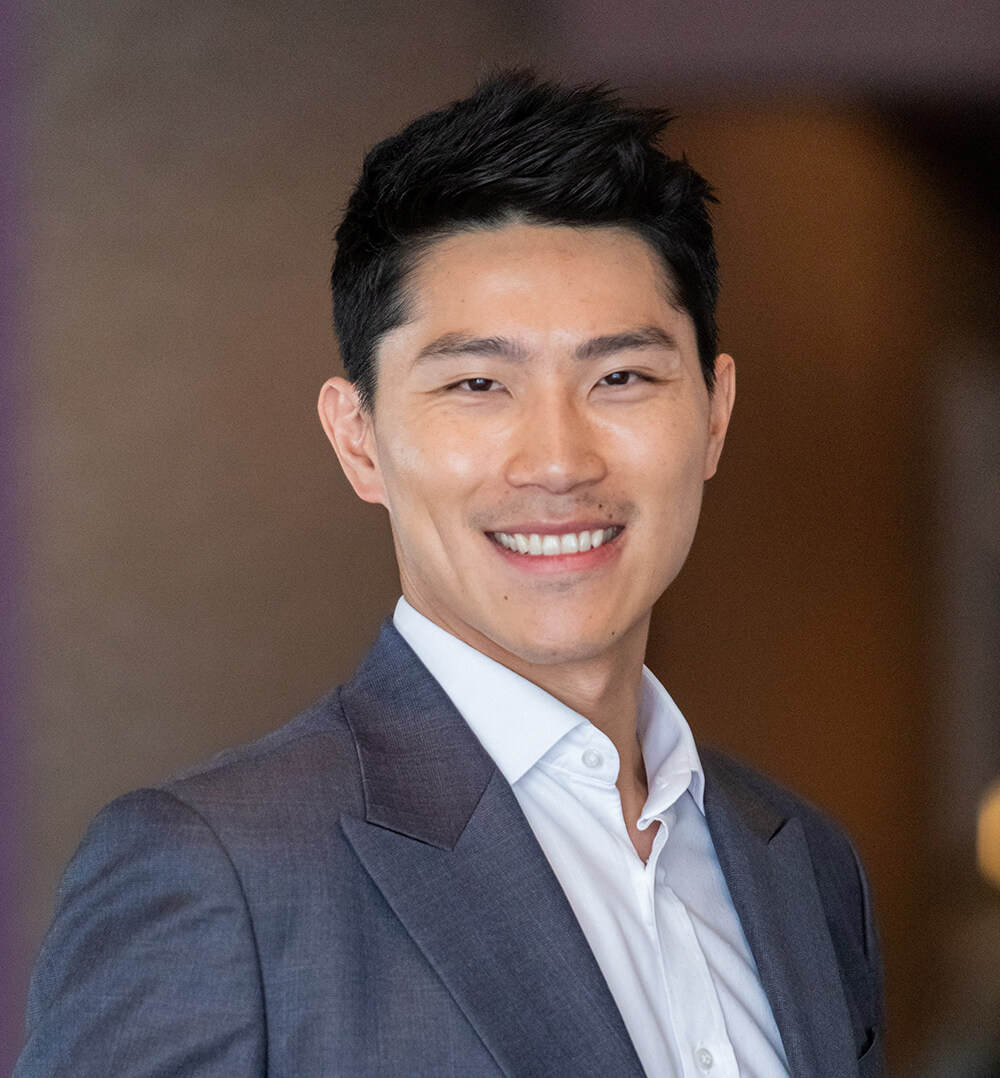
My wife still reminds me that I scheduled my SMILE procedure for a week when she and our child were out of town. I had the house to myself, which, in her telling, was either excellent planning or odd timing.
To this point, I had devoted years as a surgeon on the other side of the operating room. I had performed hundreds of SMILE procedures and watched patients discover what life could be like without relying on glasses or contact lenses. It was such an incredible experience to share with my patients, but understanding a procedure as a surgeon is different from experiencing it as a patient. Eventually, I decided it was my turn.
I asked my friend and mentor, Dr. William Wiley, to perform my surgery. Putting my eyes in the hands of someone I trusted made the decision feel personal in a way I had not fully appreciated when I was the one doing the surgery.
That Wednesday afternoon, I sat where my patients usually sit. I was accustomed to explaining what would happen next, but this time I was listening to the instructions. I noticed how reassuring it was to hear a calm voice and know what to expect. The anesthetic drops worked well for me; the procedure was painless. As the laser docked, I could see the blinking green light, just as I had described it to so many patients.
Before surgery, my prescription was about minus 3.50 in each eye. Without correction, I could see clearly only about a foot in front of me. When the procedure was over, I sat up and noticed the clock on the wall. I could already make out the time. It was such an ordinary thing to see, but at that moment it felt extraordinary.
I went home, took a nap, and woke up later that afternoon with my vision improving. The next day, I was back in the operating room as a surgeon and able to do my work without difficulty. That was my experience, though I would never promise another patient the same timetable.
My recovery matched what I have been explaining to my patients. Early on, my vision fluctuated occasionally, especially in the mornings. Those fluctuations gradually stabilized over the next four to six weeks, while I used artificial tears frequently. Practicing what I have been preaching gave me a greater appreciation for following post-operative instructions in everyday life. Living through them gave me a greater appreciation for the small uncertainties a patient can feel between visits, like that funny taste the eye drops gave or the glare I noticed early on, which gradually subsided.
At around eight weeks, something else changed. I stopped thinking about the procedure and about my vision. It was almost as though glasses and contacts had never been part of my daily life. I could simply wake up, look around, and get on with the day.
Not long afterward, my wife, Dr. Julia Choi, an optometrist, had SMILE as well. She was pleased with her result, and now we share both a professional and a personal understanding of what patients mean when they talk about being free of glasses and contacts. She still has not stopped teasing me about choosing the week she was away.
People sometimes joke that eye doctors recommend vision correction but would never have it themselves. That has not matched my experience. I have treated optometrists, physicians, surgeons, and members of my own family. Still, choosing it for myself, and then watching Julia make her own choice, reminded me how personal the decision is. Trust matters. So does finding the right space to ask questions, learn about the procedure, and decide whether vision correction is right for you.
The perspective from my own experience with vision correction stays with me whenever I meet someone considering it. I know what it is like to trust another surgeon with your eyes, to notice a clock you could not have read before, and to go through the recovery process. For my patients, I want to provide them with the understanding and recommendation they need to make a choice that is right for them